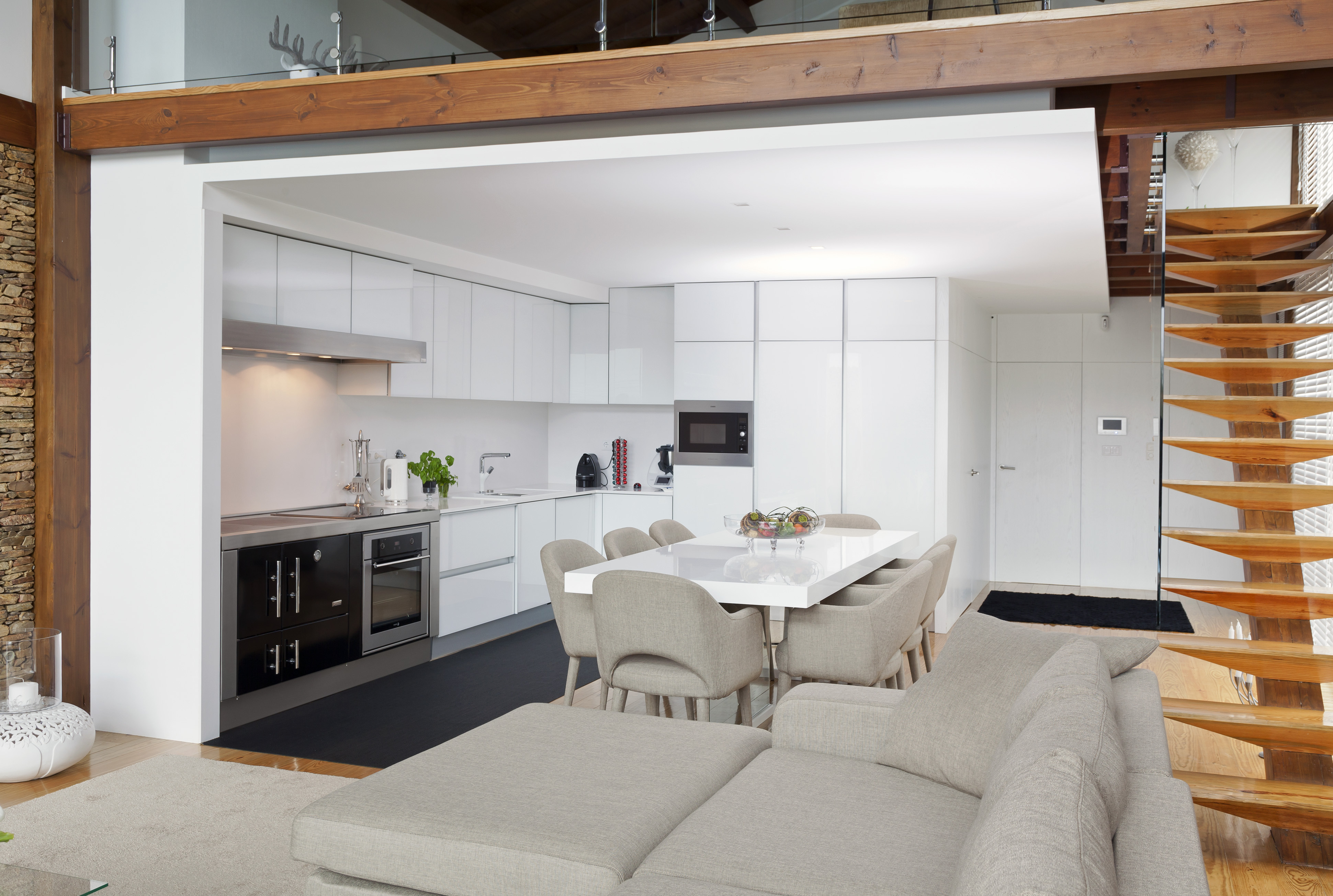
One of the most common questions we receive at this time of year is: "Is it possible to use a wood-burning stove in the summer?"
The answer is yes. If your wood-burning stove is equipped for central heating and domestic hot water (DHW) production, you can continue using it during the summer. To do so, simply switch it to the "summer position," which prevents heat from being sent to the radiator circuit.
What is the summer position?
The summer position is a setting that adapts the appliance's operation to warmer months. This deactivates the central heating circuit, preventing the radiators from heating up. It is a simple procedure, but it must be performed correctly to ensure the system functions properly. How do I set the stove to the summer position?
To prepare your stove, follow these steps:
- Install the summer baffle in the boiler;
- Install the ash deflector;
- Close the central heating valve to stop water from circulating to the radiators.
- Once these steps are complete, the stove is ready to operate in summer mode, depending on your specific installation setup.
What if I have a heat pump?
If domestic hot water is provided by a heat pump, it is recommended that this unit handle water heating during the summer. This way, you do not need to use the stove to produce hot water, allowing for more efficient operation suited to the season.
What if I have solar thermal panels?
For installations equipped with solar thermal panels, the recommendation is even simpler. During the summer, solar panels can usually handle domestic hot water production on their own. Therefore, it is recommended not to use the wood-burning stove to heat water; this avoids unnecessary firewood consumption and reduces the risk of the system overheating.
In case of doubt
Each installation may have specific characteristics. Therefore, if you have questions about setting the stove to "summer mode" or about how your system operates
- If the installation was performed by our company, please contact our technical support service.
- If the installation was carried out by another technician or company, you should contact the installer responsible.
Conclusion
A wood-burning stove is not just for winter use. When correctly configured, it can continue to be used during the summer, provided the specific characteristics of the installation are taken into account.
Setting the stove to summer mode, correctly using the summer liner, and considering the presence of a heat pump or solar thermal panels are essential steps to ensure safe, efficient operation suited to the season's needs.